Vertigo Exercise Videos: How to Pick a Safe One
Disclosure: this page contains affiliate links (ClickBank). If you buy through them we may earn a commission at no extra cost to you. The publisher gave us free access to the full program so we could read it for this review. Educational content only, not medical advice.
Why the diagnosis comes before the video
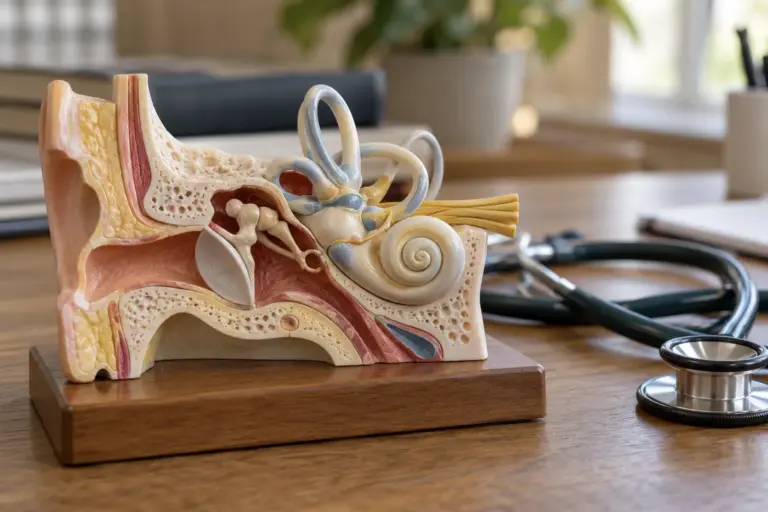
Vertigo is a symptom with several causes. The NHS lists inner-ear problems as the most common ones, including BPPV, labyrinthitis and vestibular neuritis, and says treatment depends on the cause. That matters for exercises: a maneuver designed to move ear crystals in BPPV is not a routine for vestibular neuritis, and neither is a plan for vestibular migraine or Ménière’s disease. Our guide to the common causes of vertigo shows how they differ, and the Dix-Hallpike test is how clinicians identify BPPV and the ear involved.
What the research says about exercises
A Cochrane review of 39 trials with 2,441 adults (McDonnell and Hillier, 2015) concluded there is moderate to strong evidence that vestibular rehabilitation is a safe, effective way to manage unilateral peripheral vestibular dysfunction, and moderate evidence that it improves symptoms and function in the medium term. For BPPV specifically, the review found physical repositioning maneuvers were more effective than exercise-based rehabilitation in the short term, while a combination of the two helped longer-term recovery. The review found no reported adverse effects, but those trials were supervised by clinicians; that is not the same as following a video alone.
In practice: for BPPV, ask about a repositioning maneuver first (see the Epley maneuver step by step and the Semont maneuver), with Brandt-Daroff exercises as a habituation option some clinicians use. For lingering imbalance after an inner-ear problem, ask about vestibular rehabilitation with a physical therapist; see how the options compare.
A checklist for judging a video
| Check | Good sign | Red flag |
|---|---|---|
| Who made it | A named clinician (physical therapist, ENT, audiologist) with a verifiable practice | Anonymous channel, or a seller whose main goal is to sell a product |
| Which condition | States the condition it is for, and the ear or side if it matters | “One routine for all types of vertigo” |
| Safety information | Explains who should not do it (neck, back, circulation or eye problems) and when to stop | No warnings, or tells you to push through spinning |
| Promises | Talks about practice and gradual improvement | “Cure”, “fix in minutes”, “doctors won’t tell you” |
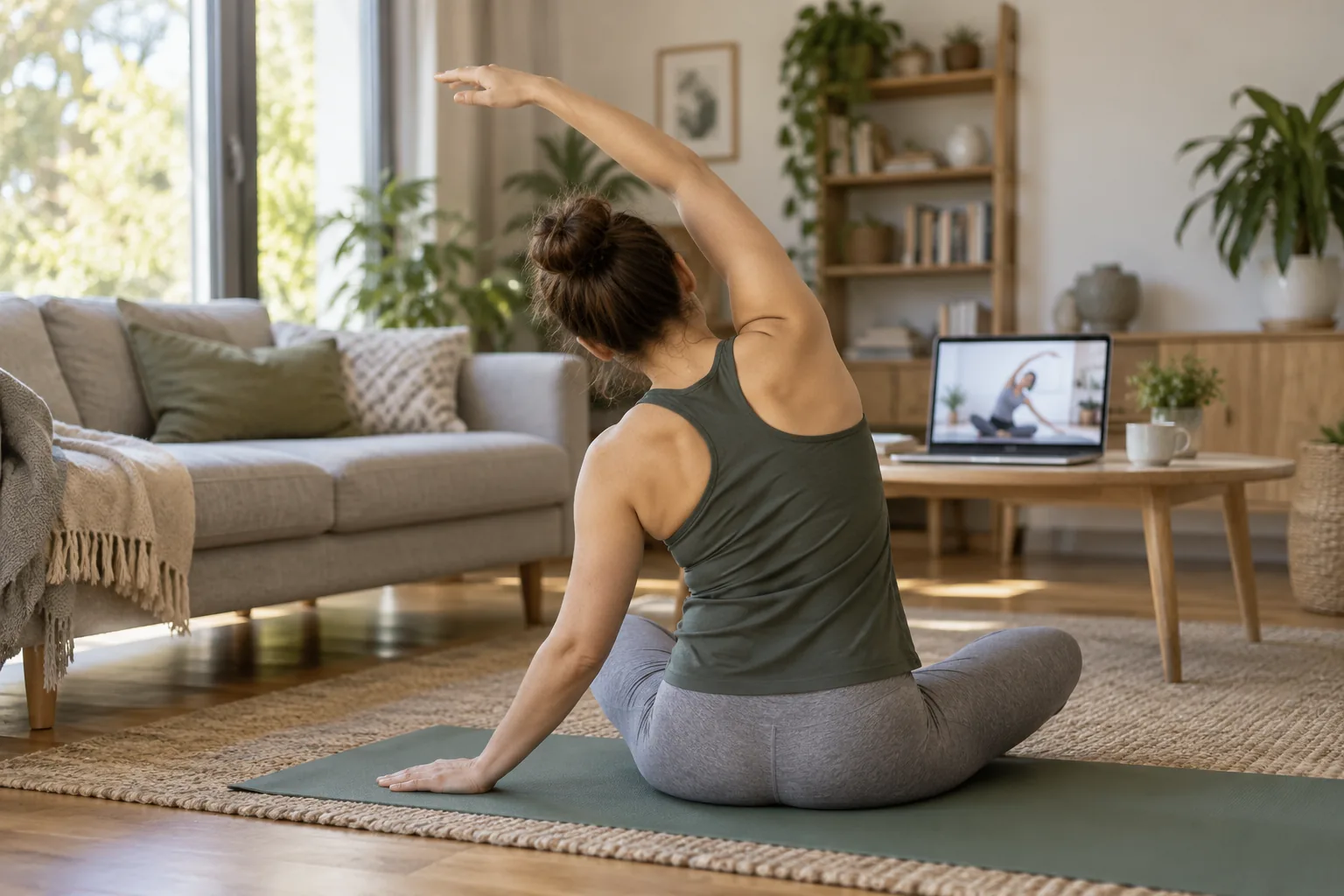
| Where you do it | Seated or supported, with someone nearby if you might fall | Standing, fast head movements, no support |
Stop and get advice if an exercise makes you dizzier than your clinician told you to expect, or if you feel faint or nauseous and it does not settle. For older adults, see our safety-first ranking of balance programs for seniors.
Video, PDF or therapist?
| Option | Strength | Limit |
|---|---|---|
| Free video | Costs nothing; you can see the movement | Not tailored to your diagnosis; quality varies widely |
| Written home guide (PDF) | A structured routine you can print and pace yourself with | Still not tailored to your diagnosis; it is not therapist-led care |
| Vestibular physical therapist | Tests what is wrong, treats BPPV on the spot, adjusts the plan as you improve | Cost and waiting lists in some areas |
See the official page and the guarantee →
FAQ
Can I do vertigo exercises from a video without a diagnosis?
It is better not to. The right exercise depends on the cause, and some serious causes of dizziness need medical assessment rather than exercises.
Are vertigo exercises safe?
The Cochrane review reported no adverse effects for vestibular rehabilitation in supervised trials. At home, follow the advice of the clinician who diagnosed you and stop if symptoms worsen.
Which vertigo exercise works for BPPV?
The Cochrane review found repositioning maneuvers were more effective in the short term than exercise-based rehabilitation for BPPV. Ask your clinician which maneuver suits the affected ear.
Sources: NHS, Vertigo (nhs.uk/conditions/vertigo); McDonnell MN, Hillier SL, Vestibular rehabilitation for unilateral peripheral vestibular dysfunction, Cochrane Database Syst Rev 2015;1:CD005397 (doi 10.1002/14651858.CD005397.pub4). Checked 30 Sep 2026.